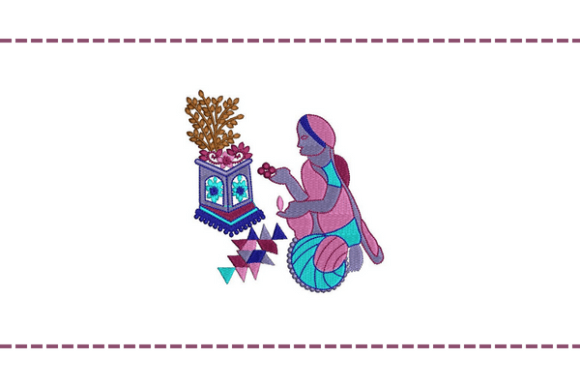
Tulshi
First Impressions: A Cozy Floral Statement
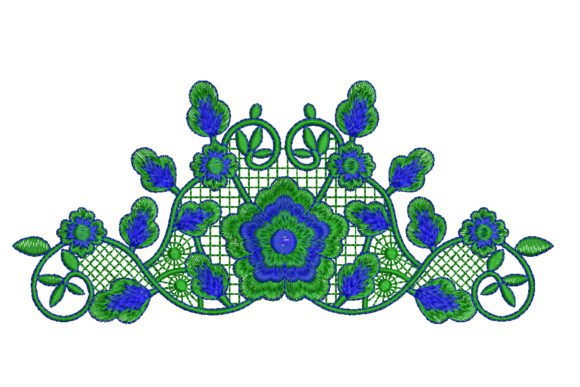
Tulshi makes a strong first impression with its soft, floral aesthetic. The design feels warm and inviting, perfect for adding a touch of elegance to everyday items. It carries a gentle, artistic vibe that resonates well with craft fair buyers who appreciate both beauty and practicality.
Visual Appeal and Customer Attention
The floral pattern in Tulshi is designed to catch the eye without being overwhelming. Its subtle details and balanced composition make it ideal for both small accents and larger focal points. On a tote bag or apron, it adds a charming touch, while on a pillow cover or tea towel, it becomes a standout feature.
When displayed in a booth, Tulshi stands out among other floral designs due to its unique color palette and intricate yet approachable details. Customers are drawn to its cozy feel, making it a natural fit for handmade markets and Etsy shops looking to offer something fresh and appealing.
Product Performance Across Craft Fair Items
Tulshi performs exceptionally well on a variety of products commonly sold at craft fairs. On tote bags, it adds a refined look without overpowering the fabric. Aprons with Tulshi embroidery become more visually engaging, especially when paired with neutral or earthy tones.
Tea towels with this design benefit from the floral elements that complement kitchen settings. Embroidered patches featuring Tulshi can be used as accessories or standalone items, offering versatility for different product lines. Pillow covers and market bags also showcase Tulshi beautifully, reinforcing its adaptability across multiple product types.
Practical Selling and Production Considerations
One of the key advantages of Tulshi is how easy it is to understand at a glance. Its layout is clean and intuitive, making it suitable for both beginners and experienced embroiderers. This simplicity helps in creating consistent, high-quality finished products that appeal to a wide range of customers.
Photographing Tulshi for online listings is straightforward thanks to its clear definition and good contrast. Whether on a white fabric or a darker background, the design maintains its visual integrity, which is essential for attracting buyers through digital platforms like Etsy.
For batch production, Tulshi offers great repeatability. Its structured layout allows for efficient stitching and minimal adjustments, which is ideal for small shop owners looking to scale their product offerings. However, it’s important to consider fabric texture and stitch density to ensure the design remains crisp and legible.
Careful Use Notes for Optimal Results
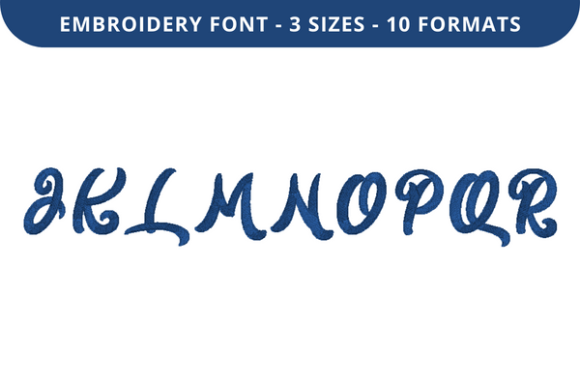
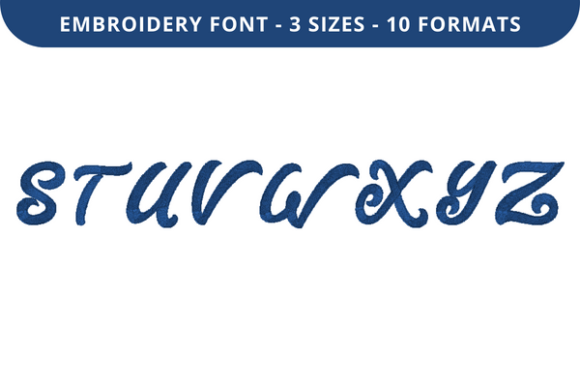
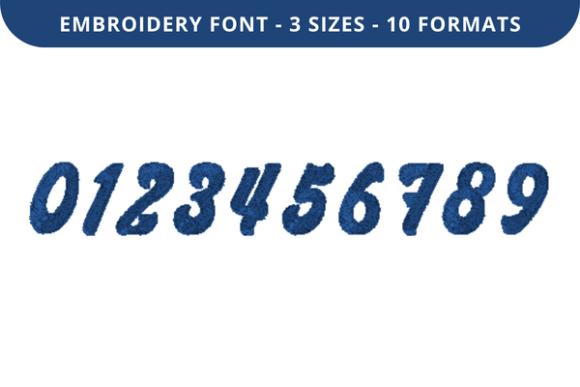
While Tulshi is versatile, there are a few considerations to keep in mind during production. Dense stitch areas may require additional stabilizer to prevent puckering, especially on thick or textured fabrics like towels. Tiny details and small lettering should be tested on scrap fabric to confirm clarity before moving to final products.
Curved surfaces such as caps can pose challenges in maintaining design accuracy. Using the right hoop size and stabilizer is crucial to ensure the embroidery looks sharp and professional. Dark fabrics may reduce the visibility of certain elements, so testing thread colors and fabric combinations is recommended.
Impact on Visual Appeal and Product Value
Tulshi enhances the visual appeal of any product it adorns, contributing to a sense of quality and care. Handmade products featuring Tulshi often command higher value due to their uniqueness and attention to detail. This makes it an excellent choice for boutique makers and creative entrepreneurs aiming to elevate their brand.
The design supports brand consistency by offering a cohesive look across various product lines. Whether used on tote bags, patches, or pillow covers, Tulshi reinforces a unified aesthetic that strengthens customer recognition and loyalty.
Booth Display and Buyer Engagement
In a craft fair booth, Tulshi has the potential to draw in a diverse audience. Its floral theme appeals to a broad demographic, including those who enjoy farmhouse-style decor, rustic aesthetics, and modern minimalism. Displaying Tulshi on a variety of products creates a dynamic and engaging booth setup.
Buyers are likely to engage with Tulshi due to its charm and versatility. It offers a balance between artistic flair and practical use, making it a compelling option for both gift-giving and personal use. This dual appeal increases the likelihood of repeat purchases and positive word-of-mouth referrals.
Embroidery Designer Notes for Success
As an experienced designer, I recommend testing Tulshi on scrap fabric to assess stitch density and thread contrast. Reviewing spacing and confirming hoop size will help avoid common mistakes during production. Using the appropriate stabilizer is essential, especially for delicate or textured fabrics.
Create at least one real mockup to visualize how the design will look on actual products. Comparing fabric colors and checking commercial licensing terms before selling finished products ensures compliance and quality. With careful preparation, Tulshi can become a standout addition to your craft fair lineup.